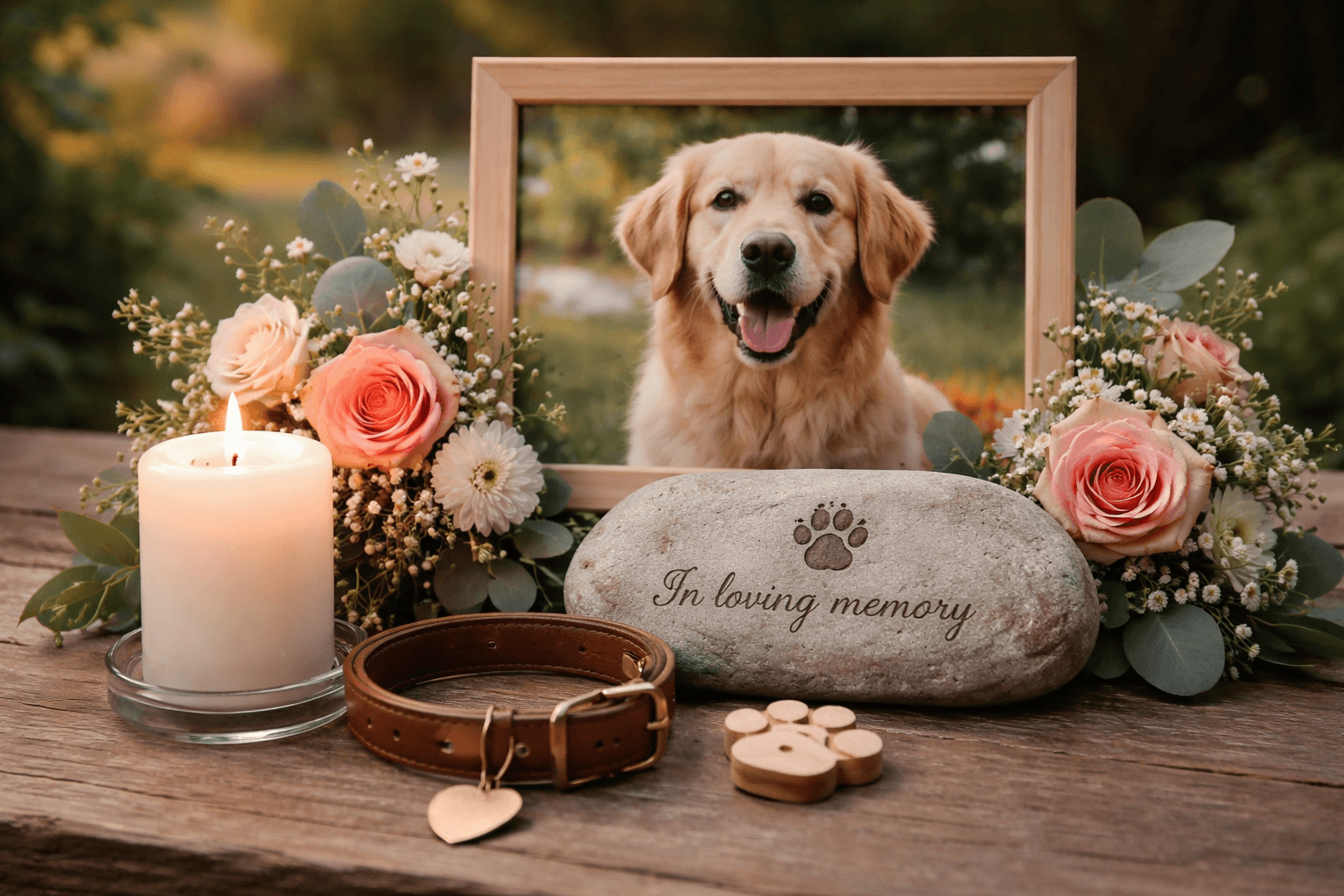
Losing a pet is not a minor event. It is the loss of a companion, a routine, a presence woven into daily life. For many families, it is the loss of unconditional love.
Creating an online pet obituary gives that relationship the dignity it deserves. It provides a permanent space to remember, reflect and celebrate. Whether you are a grieving owner or a funeral professional supporting a family, a thoughtful pet memorial can become a powerful part of the healing process.
Here is how to do it properly — with clarity, meaning and lasting impact.
Why an Online Pet Obituary Matters
Grief needs acknowledgement. When a pet dies, people often feel their loss is minimised by others. An online pet obituary validates that bond publicly and unapologetically.
Digital memorials are becoming the norm. Families are used to sharing life milestones online — births, marriages, achievements. It makes sense that farewells now live there too.
A well-written pet memorial:
- Recognises the depth of the human–animal bond
- Provides a space for friends and family to express sympathy
- Creates a permanent record that can be revisited on anniversaries
- Helps children and extended family process loss
Ignoring the opportunity to mark the moment often leaves regret. Recording a life — even a small one — matters.
Understanding the Purpose of a Pet Obituary
A pet obituary is not simply an announcement of death. It is a tribute.
Its purpose is to:
- Celebrate a life
- Share meaningful memories
- Honour personality and impact
- Offer a final message of gratitude or farewell
Unlike a short social media post, a structured pet obituary becomes part of your family history. It should feel deliberate, not rushed.
For funeral directors, offering structured pet memorial services positions your practice as compassionate and forward-thinking. Pet aftercare is not a side market — it is growing and emotionally significant.
Gathering the Essential Information
Before writing, gather the core details. Emotion can make memory feel overwhelming, so organise your thoughts first.
Key details to include:
- Full name (and nicknames)
- Species and breed
- Age at passing
- Date of passing
- Place of passing (if appropriate)
- Names of family members
Meaningful background information:
- Adoption or rescue story
- Favourite activities
- Personality traits
- Funny or defining habits
- Milestones (moving house, growing up with children, etc.)
Write bullet points first. Structure comes later.
Choosing the Right Tone and Voice
This is where people either overcomplicate things or shut down emotionally.
You do not need to write poetry. You need honesty.
There are two common approaches:
First-person voice
Example: “We said goodbye to our beloved Labrador, Max, after 13 unforgettable years.”
This feels intimate and personal.
Third-person voice
Example: “Max, a devoted Labrador, passed away peacefully at home.”
This feels more formal and structured.
Neither is wrong. Choose what reflects your relationship and your comfort level.
Avoid clichés. “Gone but never forgotten” has meaning, but specificity is stronger. Replace generic statements with personal detail.
Structuring a Meaningful Pet Obituary
A clear structure prevents rambling and strengthens emotional impact.
Opening: Introduce Your Companion
State their name, age and the fact of their passing. Keep it simple and respectful.
Example:
“On 14 February 2026, our cherished cat, Luna, passed away peacefully at home aged 16.”
Middle: Tell Their Story
This is the heart of the pet obituary.
Share:
- How they joined your life
- What made them unique
- The role they played in your family
- A memory that captures their spirit
Specifics create connection. “She greeted every visitor as if they were royalty” says more than “She was friendly.”
Closing: Honour and Farewell
End with gratitude, reflection or a message.
Examples:
- “Thank you for every walk, every nudge and every quiet moment beside us.”
- “You may have been part of our lives, but to us, you were family.”
Keep it grounded. Avoid dramatic exaggeration. Authenticity is more powerful than grand language.
Writing a Compelling Introduction
The introduction sets the emotional tone.
Avoid starting with excessive detail. Lead with presence, not paperwork.
Strong opening elements:
- Name and species
- A defining trait
- The emotional impact of their loss
Weak opening:
“This is an obituary for our dog.”
Stronger opening:
“After thirteen loyal years, we said goodbye to Baxter, our gentle and endlessly patient Golden Retriever.”
Readers should immediately understand who they were — not just what they were.
Highlighting Personality and Impact
This is where your pet memorial becomes memorable.
Think in terms of character:
- Were they stubborn but affectionate?
- Did they guard the house fiercely but fear the vacuum cleaner?
- Did they follow one family member everywhere?
Impact matters too. Did they:
- Grow up alongside your children?
- Support you during illness or difficult times?
- Bring structure to your daily routine?
Don’t sanitise their personality. Imperfections make tributes real.
Including Photos and Multimedia
An online pet memorial should include visual storytelling.
Choose:
- A clear portrait that captures their expression
- A candid photo that reflects personality
- A favourite location (garden, sofa, beach)
Avoid uploading dozens of similar images. Curate deliberately.
Some platforms allow video clips. A short video of a tail wag, purring sound or playful moment can be deeply meaningful.
For funeral directors, offering multimedia tribute pages creates added value and distinguishes your service from generic cremation providers.
Selecting the Best Platform for a Pet Memorial
Where you publish matters.
Dedicated Pet Memorial Websites
These offer permanence and structured layouts. They are ideal for long-term remembrance.
Social Media
Immediate, accessible and widely seen. However, posts can disappear in feeds over time.
Funeral Director Hosted Pages
Professionally managed, permanent and often better optimised for search engines. This also strengthens your local presence.
Think long term. Will this still be accessible in five years? Ten?
Involving Family and Friends
Grief is communal.
Invite others to contribute:
- Short stories
- Photos
- Messages
- Poems or letters
For children, contributing to a pet obituary can be therapeutic. Encourage drawings or dictated memories.
However, moderate comments if the memorial is public. Protect the dignity of the space.
Adding Charitable or Legacy Elements
Some families choose to include:
- A link to donate to an animal charity
- A rescue organisation connected to their pet
- An annual remembrance ritual
This shifts grief into action.
For funeral professionals, offering structured charity integration can add meaningful depth to your pet memorial services.
SEO Considerations for Funeral Directors
If you are a funeral director or pet aftercare provider, ignoring search visibility is short-sighted.
Families search online using terms like:
- “pet obituary”
- “online pet memorial”
- “pet cremation near me”
Create dedicated, optimised pages on your website that:
- Clearly describe your pet memorial offering
- Include structured obituary templates
- Provide example tributes
- Use location-based keywords
Do not hide pet services on a generic page. Build authority in the niche.
Privacy and Sensitivity Considerations
Decide carefully what to share.
Avoid:
- Full home addresses
- Excessive personal information
- Details that compromise privacy
If the pet obituary is public, consider whether you want comments open indefinitely.
You can honour a life without oversharing.
Common Mistakes to Avoid
- Writing immediately while overwhelmed
– Draft first. Edit later. - Overloading with every memory
– Choose representative moments. - Using generic language
– Specificity creates emotional resonance. - Delaying indefinitely
– There is no perfect moment. Publish when ready. - Treating it as insignificant
– If it matters to you, it is significant.
Example Pet Obituary Template
Here is a simple structure you can adapt:
Opening
On [date], we said goodbye to our beloved [name], a [breed/species] who was [age] years old.
Life Story
[Name] joined our family in [year or circumstance]. From the beginning, they were known for [defining trait]. They loved [favourite activities] and brought joy through [specific behaviours or routines].
Impact
They were especially close to [family members] and supported us through [life stage or event].
Farewell
Though our home feels quieter, the love and memories remain. Thank you, [name], for [specific gratitude statement].
Helping Children Understand Through Memorial Writing
Children often struggle to process pet loss. Involving them in creating a pet memorial:
- Validates their feelings
- Encourages healthy expression
- Provides a sense of closure
Invite them to:
- Share their favourite memory
- Draw a picture
- Write a short goodbye message
Avoid shielding them entirely from the process. Participation builds emotional resilience.
The Long-Term Value of an Online Pet Memorial
Grief evolves.
Months or years later, families revisit pet obituaries:
- On adoption anniversaries
- On birthdays
- During difficult life transitions
An online pet memorial becomes a permanent archive of companionship and love.
Create a Lasting Pet Memorial Today
If you are ready to honour your companion with a dedicated online pet obituary, you can create a permanent tribute on our pet memorial page.
Take the time to record their story properly. Preserve their photographs. Share their personality. Give their life the space it deserves.
👉 Create your online pet memorial here: https://foreverinourhearts.com.au/pet-memorials
Do not wait for the “right” moment. The right moment is when you are ready to honour them.