Introduction: A New Era of Remembering Loved Ones
In a world where technology touches every corner of life, it is no surprise that it has also transformed how we remember those we’ve lost. For centuries, remembrance was rooted in physical spaces—graves, memorial stones, and family albums. Today, remembrance extends into the digital realm, where online tributes, virtual memorials, and AI-driven tools help keep memories alive in powerful new ways.
For people who have lost a loved one, these innovations offer comfort, connection, and permanence. For funeral directors, they open opportunities to blend tradition with technology, offering services that honour both memory and modernity.
The Rise of Online Tributes
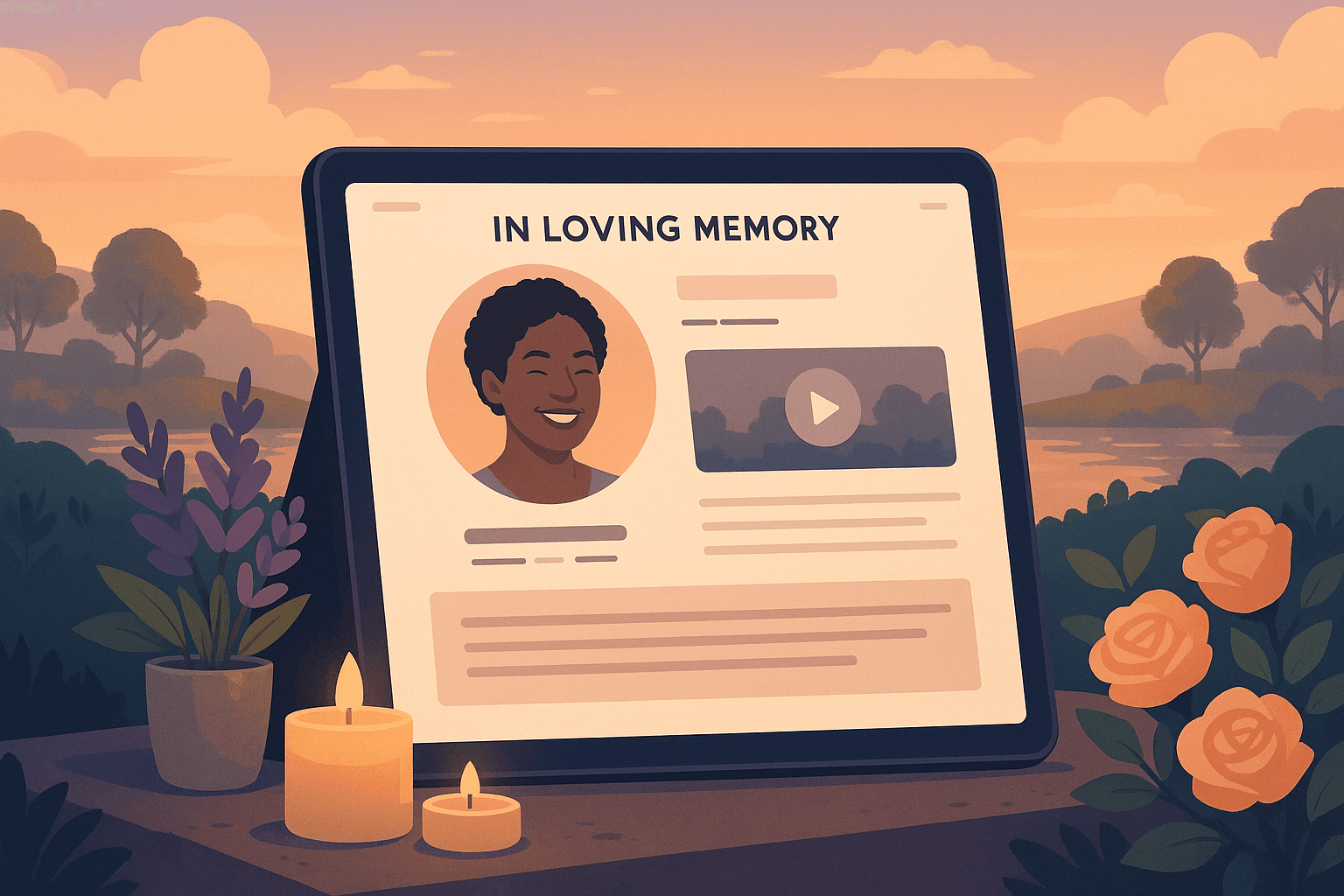
The idea of sharing a tribute online once felt unconventional, but it has quickly become an integral part of mourning and memory. Families now create digital spaces where friends, relatives, and colleagues can share stories, photos, and words of comfort.
From Obituaries to Digital Legacies
The traditional printed obituary—brief and formal—has evolved into something far more dynamic. Online tribute pages allow for rich storytelling through multimedia. Photos capture cherished moments, while videos and music bring them to life. This digital legacy can grow over time, with contributions from many people who were touched by the deceased’s life.
Social Media as Modern Memorials
Social platforms have become natural spaces for remembrance. Facebook memorial pages, Instagram tributes, and hashtags dedicated to loved ones allow communities to grieve collectively. These platforms transform the act of remembrance into an ongoing dialogue—a space where memories continue to be shared long after the funeral.
How Artificial Intelligence is Shaping Remembrance
Artificial Intelligence (AI) has entered the realm of remembrance in remarkable ways, offering comfort, conversation, and connection.
Chatbots and “Living Memories”
AI-powered chatbots are being developed to simulate the voice and personality of deceased loved ones. By using old messages, recordings, and social media posts, these systems create digital “echoes” that can respond in familiar tones. While some find this concept unsettling, others find solace in being able to “speak” to a digital representation of someone they miss.
Ethical Questions Around AI Memorialisation
However, such advances raise profound ethical questions. Should we recreate a person’s personality without their consent? What happens to data privacy and emotional well-being? The industry must tread carefully, balancing innovation with respect for dignity and grief. Funeral professionals and developers alike share the responsibility to ensure that these tools remain compassionate and ethical.
The Power of Digital Archives
Digital archives form the backbone of modern remembrance. They ensure that a person’s story is preserved safely for generations to come.
Creating Interactive Life Timelines
Rather than a simple photo album, families can now build interactive life timelines. These multimedia memorials weave together images, audio, video, and written reflections to form a living story. Visitors can explore these digital journeys chronologically or thematically, experiencing a person’s life in a way that feels deeply immersive.
Ensuring Longevity and Data Security
Preserving digital memories is not without challenges. Data formats change, storage systems evolve, and platforms may shut down. Ensuring that archives are backed up, encrypted, and stored in accessible formats is essential. Some services now specialise in long-term digital preservation—guaranteeing that these memorials remain accessible for decades, if not centuries.
The Role of Funeral Directors in the Digital Age
As remembrance becomes increasingly digital, funeral directors play a crucial role in bridging the gap between tradition and technology.
Incorporating Online Tributes into Services
Forward-thinking funeral homes are integrating digital tributes into their offerings. They might create a live-streamed service, a virtual guest book, or a bespoke online memorial page. These tools allow those who cannot attend in person to participate in the farewell, offering a sense of inclusion and togetherness that transcends geography.
Supporting Families Through Digital Tools
Funeral directors are uniquely positioned to guide families through this evolving landscape. By recommending trusted online platforms, assisting with digital memorial creation, or advising on secure data storage, they can provide compassionate and practical support during one of life’s most difficult times.
The Emotional Connection: Why Digital Tributes Matter
At the heart of digital remembrance lies something timeless—love and memory. Online tributes allow people to grieve together, regardless of distance. They offer comfort through shared stories, messages, and the knowledge that a loved one’s life continues to inspire.
Digital spaces can help ease feelings of isolation, particularly for those who live far from where a loved one is buried or cremated. They create a sense of ongoing connection, transforming grief into gratitude and loss into legacy.
Future Trends in Digital Remembrance
Technology will continue to reshape how we remember and honour lives. Several emerging trends hint at what lies ahead.
Virtual Reality Memorials
Imagine walking through a digital garden filled with photos, videos, and messages dedicated to your loved one. Virtual Reality (VR) memorials are making this possible, allowing mourners to “visit” peaceful digital spaces that reflect a person’s life and passions. These immersive environments provide new ways to celebrate and remember—combining emotion and innovation in equal measure.
Blockchain and Eternal Data Preservation
Another promising technology is blockchain. Its decentralised nature means that data—such as memorial pages or life stories—can be stored permanently without the risk of tampering or deletion. This could ensure that digital legacies remain safe from corporate shutdowns or data loss, offering genuine permanence in an impermanent world.
Balancing Technology and Humanity
While technology offers extraordinary tools for remembrance, it must never replace the warmth of human empathy. The digital world should enhance, not overshadow, our emotional connections. Thoughtful use of technology allows people to remember, reflect, and reconnect without losing sight of what truly matters: love, respect, and shared humanity.
Funeral directors, tech companies, and families must work together to ensure that the future of remembrance remains compassionate and authentic.
Conclusion: Honouring the Past, Embracing the Future
The way we remember is changing, but the reasons we remember remain the same. Through AI, digital archives, and online tributes, we are discovering new ways to honour lives, share stories, and find comfort in community.
The future of remembrance lies in balance—where innovation meets empathy, and technology preserves the essence of those we love. By embracing these changes thoughtfully, we ensure that every story, every smile, and every life can continue to inspire for generations to come.