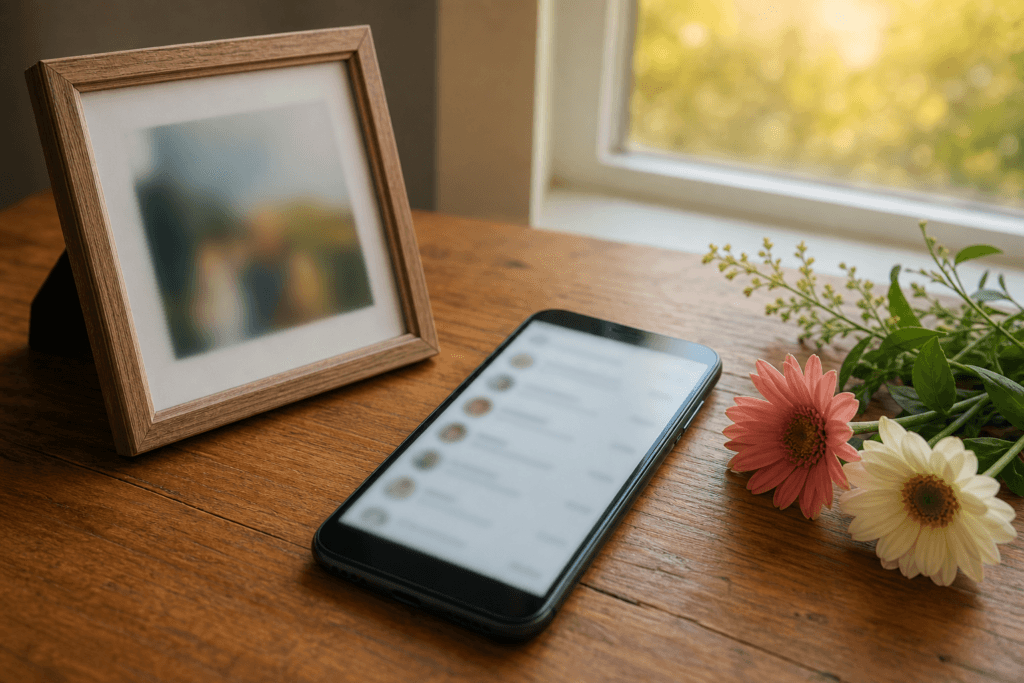
Introduction: A New Era of Remembering Loved Ones
Grief is one of life’s most profound experiences, and how we honour those we lose continues to evolve. In 2025, a growing number of families are embracing online memorials as a meaningful way to preserve memories and celebrate the lives of loved ones. These digital spaces not only provide comfort but also extend the reach of remembrance far beyond traditional settings.
What Are Online Memorials?
Definition and Core Purpose
An online memorial is a dedicated digital space where family and friends can share stories, photos, videos, and tributes in honour of someone who has passed away. It serves as both a celebration of life and a living archive that can be revisited for generations.
How They Differ from Traditional Memorials
Unlike a physical headstone or memorial plaque, online memorials transcend geography. They allow anyone, anywhere in the world, to pay respects and share memories without being limited by time zones, travel, or physical presence.
The Growth of Digital Legacy in 2025
Global Trends Driving Online Memorial Use
The pandemic years accelerated our comfort with digital platforms, and many traditions adapted to virtual formats. From weddings to funerals, families leaned on technology to stay connected. This shift has left a lasting mark, with online memorials now seen as both practical and deeply meaningful.
The Role of Technology in Grief Support
Technology has become a companion in grief. Video calls, livestreamed services, and memory-sharing apps make it possible to unite communities in mourning. Online memorial platforms are now built with these features at their core, providing a holistic grief support system.
Why Families Are Choosing Online Memorials
Accessibility for Global Families
With families often scattered across continents, online memorials provide a central meeting place. Loved ones can visit at any time, leave tributes, and stay connected through shared remembrance.
Cost-Effectiveness Compared to Physical Options
Traditional memorials can be costly, involving venue hire, travel, catering, and printed materials. An online memorial offers a sustainable, budget-friendly alternative while still allowing personalisation and emotional connection.
Personalisation and Storytelling
Unlike static tributes, online memorials can be enriched with photos, recorded messages, videos, and even playlists that capture the unique personality of the deceased. This makes each digital memorial a living story rather than a single event.
Key Features of Modern Online Memorial Platforms
Multimedia Tributes: Photos, Videos, and Music
Families can upload albums, home videos, and favourite songs to create an immersive tribute that reflects their loved one’s life journey.
Virtual Guestbooks and Condolence Walls
Friends and relatives can leave heartfelt messages, poems, or prayers, fostering an ongoing sense of community support.
Integration with Social Media and Messaging Apps
Many platforms now integrate directly with social channels, making it easy to share memories widely and ensure no one is left out of the grieving process.
Benefits of Online Memorials for Grieving Families
Continuous Connection and Support
Unlike a one-day service, an online memorial remains available indefinitely, giving family members the chance to return when they feel ready.
Healing Through Shared Memories
The act of sharing memories can be profoundly healing. By inviting others to contribute, families often discover stories they had never heard before.
Preserving a Lasting Legacy
Digital memorials ensure that memories are preserved long-term, safeguarding a person’s legacy for future generations to explore.
Challenges and Concerns Around Online Memorials
Privacy and Data Protection
Families must choose platforms that prioritise security. With sensitive information and personal memories at stake, ensuring proper data protection is vital.
Emotional Sensitivity in Digital Spaces
Not all online spaces are respectful. Platforms need clear moderation tools to protect grieving families from unwanted or inappropriate content.
Platform Sustainability and Longevity
Some families worry about what happens if a platform shuts down. Choosing providers with transparent policies and long-term support can ease these concerns.
Funeral Directors and Online Memorial Services
How Funeral Homes Are Adapting
Funeral directors are increasingly offering online memorial packages, helping families create digital tributes alongside traditional services.
Blending Physical and Digital Tributes
Hybrid services — where physical gatherings are complemented by an online memorial — are becoming standard. This approach ensures inclusivity for those unable to attend in person.
The Future of Digital Legacy Beyond 2025
Emerging Technologies: AI, VR, and Holograms
Artificial intelligence may soon enable interactive memorials, where loved ones can revisit a person’s voice, writings, or even a holographic representation.
Creating Interactive Memorial Experiences
Virtual reality could allow families to walk through a digital garden of remembrance, creating immersive spaces for reflection.
Tips for Funeral Directors Supporting Families Online
- Offer training on digital tools for less tech-savvy families.
- Provide hybrid service options to blend in-person and online tributes.
- Recommend secure, reliable platforms with professional support.
Comparing Online Memorials vs Traditional Tributes
| Aspect | Online Memorials | Traditional Tributes |
|---|---|---|
| Accessibility | Global, anytime | Local, limited |
| Cost | Low to moderate | Often high |
| Duration | Permanent | One-day or seasonal |
| Personalisation | Multimedia, interactive | Limited to ceremony items |
Ethical Considerations in Digital Legacy
Creating a digital memorial requires thoughtful decisions. Families should consider:
- Who manages the account long-term
- How to handle sensitive content
- Ensuring inclusivity and respect for cultural traditions
Conclusion: Honouring Loved Ones in the Digital Age
Online memorials are not replacing traditional practices but complementing them. In 2025, families are increasingly recognising the value of digital legacies — spaces where love, memory, and connection can live on indefinitely. For both families and funeral directors, embracing this shift ensures that no one is left behind in the process of remembrance.