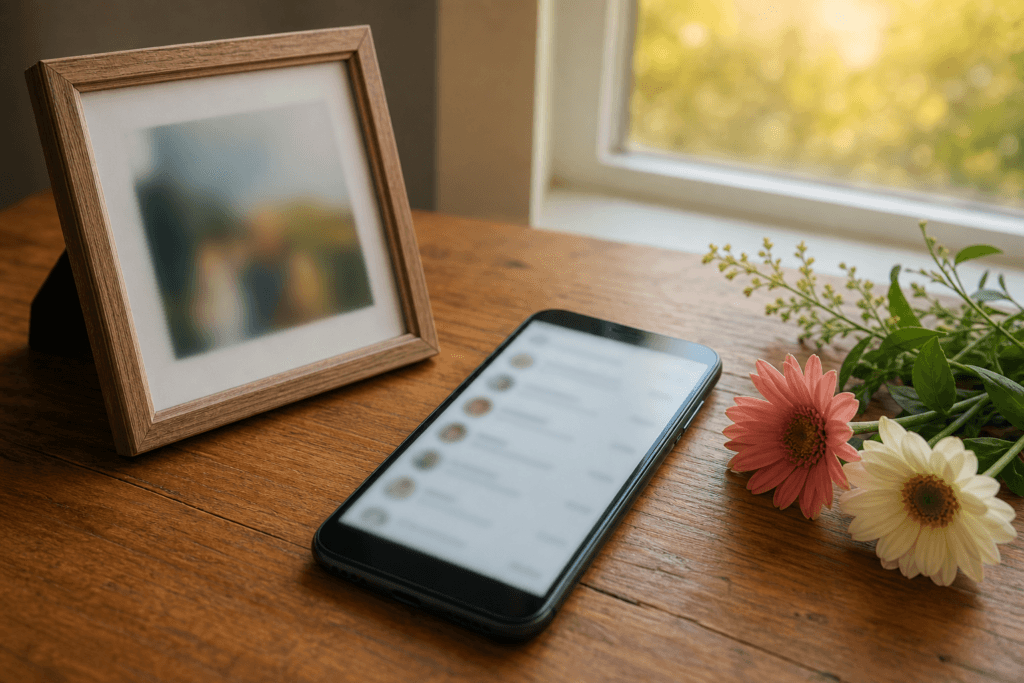
Creating an online memorial is one of the most meaningful ways to celebrate a loved one’s life and legacy. Photos and videos help preserve memories, evoke emotions, and tell stories words alone cannot. Choosing the right visuals is both a creative and emotional process — one that can bring comfort, reflection, and connection.
This guide will help you select, organise, and present photos and videos that honour your loved one’s life beautifully and respectfully.
Understanding the Purpose of an Online Memorial
Preserving Memories in a Digital Age
In the digital era, memorial websites and online tributes have become a timeless space to remember those we’ve lost. They enable family and friends — near or far — to come together in remembrance. Photos and videos allow us to relive cherished moments, keeping the person’s spirit alive in an accessible, lasting way.
Benefits of Using Visuals in Remembrance
Images and videos communicate emotion in a way words often can’t. A smile, a laugh, or a familiar gesture can spark memories and stories, fostering healing and togetherness. Visual media creates an emotional bridge between the past and present, allowing loved ones to celebrate a full life rather than focusing solely on loss.
Planning Your Online Memorial Gallery
Setting the Tone and Theme
Before selecting images, consider the overall tone you wish to create. Do you want the memorial to feel peaceful and reflective, or bright and celebratory? The tone will guide your choice of colours, images, and music. A cohesive theme — whether based on nature, travel, family, or faith — can tie everything together beautifully.
Choosing the Right Platform or Website
There are many memorial platforms available, from free tribute pages to dedicated professional services. Look for one that allows you to upload high-resolution images and videos, add captions, and invite others to contribute. Funeral directors can also recommend trusted platforms designed specifically for lasting digital remembrance.
Selecting the Right Photos
Balancing Quality and Emotion
A powerful online memorial blends both technically good and emotionally resonant photos. While high-quality images are ideal, don’t dismiss slightly imperfect ones if they capture genuine emotion. Candid moments, laughter, and everyday snapshots often tell the most authentic stories.
Including Different Life Stages
Select photos that represent your loved one’s journey through life — from childhood and milestones to friendships and family gatherings. This chronological approach gives a sense of completeness and helps viewers see how their life unfolded.
Handling Sensitive or Private Photos
Be thoughtful when deciding which images to share. Some moments may feel too intimate or personal to display publicly. Always consider the comfort levels of family members and friends, and obtain permission if needed.
Choosing the Best Videos for the Memorial
What Types of Videos to Include
Videos bring a memorial to life in a unique way. You might include clips from family events, milestone celebrations, or recorded messages. Even short snippets — like laughter during a family meal or a quiet moment in nature — can carry profound meaning.
Editing and Length Guidelines
Keep videos concise and meaningful. Aim for clips between one and five minutes to maintain engagement. Combine several short segments rather than one long recording, and consider adding gentle transitions to create a cohesive flow.
Adding Background Music or Narration
Soft background music or a spoken introduction can enrich the emotional experience. Choose pieces that reflect the person’s taste and personality — favourite songs, hymns, or instrumental tracks. Avoid anything overly dramatic; subtlety enhances sincerity.
Involving Family and Friends
Inviting Contributions Respectfully
Encouraging others to share photos and videos can make the memorial more inclusive and heartfelt. When inviting participation, set clear guidelines about the types of content you’re looking for, and provide a simple upload method. Always express gratitude for every contribution.
Managing Permissions and Privacy
Obtain consent from contributors before publishing shared materials. Make sure everyone understands how their content will be used, especially if the memorial is public. A password-protected page may be ideal for families who value privacy.
Organising and Presenting the Media
Creating a Chronological or Thematic Journey
Organising photos and videos either chronologically or by theme helps create a story-like flow. A timeline of key life events works well, but you might also group content by themes such as “Family,” “Travel,” or “Hobbies.” This approach helps visitors navigate the memorial with ease.
Adding Captions and Descriptions
Short captions or brief stories beneath images add depth and context. A few words — like dates, locations, or quotes — can bring each moment to life and make the experience more personal for viewers.
Technical Tips and File Preparation
File Types and Sizes for Smooth Uploading
Ensure all photos and videos are in compatible formats (JPEG, PNG, MP4, or MOV). Compress large files to prevent slow loading without sacrificing quality. Most platforms recommend keeping image files under 5MB and video files under 500MB.
Backup and Preservation
Store original copies on a cloud service or external hard drive. This ensures your collection remains safe in case of accidental deletion or platform changes. Regularly back up the memorial to preserve it for future generations.
Common Mistakes to Avoid
Overloading the Page with Content
While it’s tempting to include every photo, too many images can feel overwhelming. Aim for a balanced selection that captures key memories while maintaining a calm viewing experience. Less is often more when creating a heartfelt tribute.
Ignoring Accessibility
Make sure your memorial is accessible to everyone. Use clear fonts, descriptive alt text for images, and subtitles for videos when possible. These small details ensure inclusivity for all visitors, including those with visual or hearing impairments.
Adding a Personal Touch
Incorporating Personal Symbols and Colours
Infuse the memorial with details that reflect your loved one’s personality. This could be their favourite colour scheme, flowers, or even a symbol representing their passions — like musical notes, animals, or travel icons.
Using Quotes, Music, or Slideshows
Incorporate meaningful quotes, favourite sayings, or gentle background music. A slideshow blending photos, short videos, and words of remembrance can serve as a moving centrepiece to the tribute.
Updating and Maintaining the Memorial
Adding Anniversaries or New Memories
An online memorial doesn’t need to be static. Continue adding new memories, such as anniversary messages, new photos, or reflections from loved ones. This keeps the page alive and relevant as time passes.
Preserving Legacy Through Ongoing Sharing
Encourage friends and family to revisit the memorial and share it with others. By keeping the memory in circulation, you help sustain your loved one’s legacy and promote a sense of continued connection.
When to Seek Professional Help
Support from Funeral Directors
Many funeral directors now offer digital memorial packages or partnerships with online tribute platforms. They can guide you in curating the right visuals and ensure the memorial aligns with your wishes and traditions.
Hiring a Memorial Videographer or Editor
If you have many photos and clips but aren’t confident editing them, consider hiring a professional. A skilled memorial videographer or digital editor can turn your collection into a polished and emotionally resonant tribute video.
Emotional Considerations When Choosing Visuals
Navigating Emotional Triggers
Sorting through old photos can stir up strong emotions. Take your time, and don’t feel pressured to complete the task in one sitting. Invite supportive loved ones to help, or take breaks when needed.
Respecting Family Dynamics
Different relatives may have varying views about what should be included. Open communication and compromise are key. Strive for a balance that honours the deceased while respecting everyone’s feelings.
Legal and Ethical Aspects of Sharing Media
Copyright and Ownership
Be mindful of copyright rules when sharing media. Only upload images and videos you own or have permission to use. Avoid including copyrighted music unless you have the right licences or use royalty-free alternatives.
Privacy and Digital Legacy
Consider who will have access to the memorial and for how long. Many platforms allow you to manage visibility settings or transfer control to another family member in the future. This ensures that your loved one’s memory is protected and preserved ethically.
Tools and Resources for Creating an Online Memorial
Recommended Photo and Video Tools
User-friendly tools such as Canva, Animoto, or Kapwing allow you to create slideshows, edit videos, and enhance photos easily. Cloud storage services like Google Photos and Dropbox make it simple to share content among contributors.
Templates and Online Memorial Services
Dedicated memorial websites such as MuchLoved, Ever Loved, and Remembered Lives offer templates tailored to remembrance pages. They often include features like guest books, comment sections, and donation links for chosen charities.
Final Thoughts: A Lasting Tribute of Love
Choosing photos and videos for an online memorial is more than a technical task — it’s a heartfelt act of remembrance. Every image and clip contributes to a digital legacy that celebrates life, love, and connection. By curating visuals thoughtfully, involving family and friends, and using the right tools, you can create a lasting tribute that continues to inspire and comfort for years to come.lifetime of love, laughter, and legacy. Technology may evolve, but the human desire to remember will always remain timeless.